

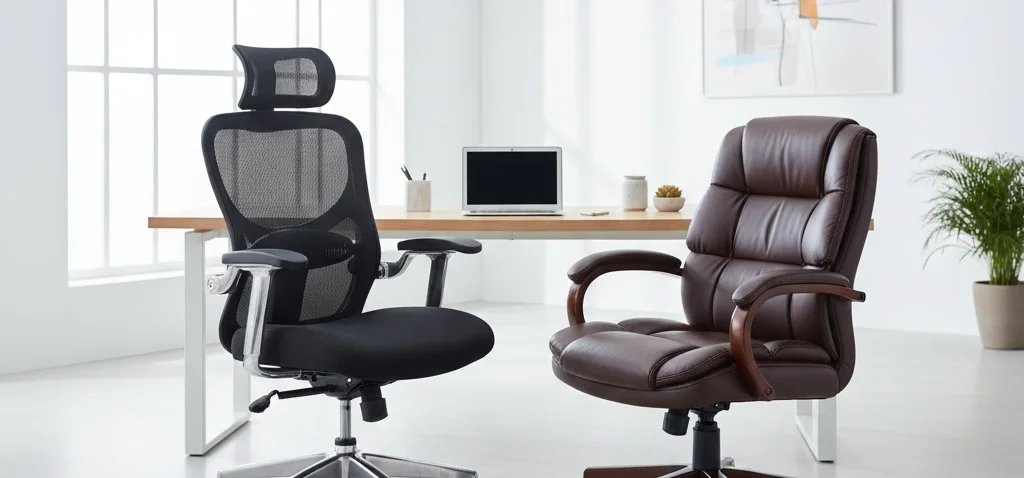
For modern offices, an ergonomic mesh chair is generally the superior choice for long-term comfort, spinal support, and productivity, while traditional desk chairs may suit short-term use or classic aesthetics.
If you spend hours at a desk daily, an ergonomic mesh chair reduces strain on your back, neck, and shoulders, promotes better posture, and keeps you cooler with breathable materials. Traditional chairs can look stylish and provide padding, but they often lack adjustable features and can trap heat, leading to discomfort over time.
Introduction: The Tale of Two Chairs
I remember my first office job, sitting in a plush, leather desk chair that looked luxurious but left my back aching by mid-afternoon. A year later, the company replaced them with ergonomic mesh chairs, and the difference was night and day. Productivity felt easier, posture improved, and even the small things—like feeling cooler during long meetings—made a huge impact.
Choosing the right office chair isn’t just about comfort—it’s about health, efficiency, and longevity. In this guide, we’ll break down ergonomic mesh chairs versus traditional desk chairs, compare their benefits and limitations, and help you decide which is best for your work setup.
What Is an Ergonomic Mesh Chair?
An ergonomic mesh chair is designed with your body’s natural posture in mind, featuring:
-
Adjustable lumbar support
-
Adjustable seat height and armrests
-
Breathable mesh back
-
Tilt and recline functions
Its goal is to reduce strain during long hours of sitting while improving comfort and airflow.
What Is a Traditional Desk Chair?
Traditional desk chairs usually feature:
-
Padded seats and backs (leather or fabric)
-
Fixed back support
-
Basic height adjustment
-
Classic design aesthetics
They focus more on appearance and initial comfort rather than long-term ergonomic benefits.
Ergonomic Mesh Chair vs. Traditional Desk Chair: Key Differences
Features Comparison Table
This table highlights the main differences for easy decision-making.
| Feature | Ergonomic Mesh Chair | Traditional Desk Chair |
|---|---|---|
| Back Support | Adjustable lumbar support | Fixed or minimal support |
| Seat Material | Breathable mesh | Padded leather/fabric |
| Heat Retention | Low | High |
| Adjustability | Seat height, tilt, armrests, recline | Limited |
| Longevity | High (supports posture over years) | Moderate |
| Best For | Long hours, health-focused | Short-term use, classic look |
As seen in the table, ergonomic mesh chairs are designed for long-term health, while traditional chairs focus on initial comfort and aesthetics.
Health Benefits of Ergonomic Mesh Chairs
-
Spinal alignment: Proper lumbar support reduces lower back pain.
-
Posture improvement: Adjustable features prevent slouching.
-
Temperature regulation: Mesh promotes airflow, reducing sweat buildup.
-
Reduced fatigue: Less strain on shoulders, neck, and back improves productivity.
Even small daily adjustments can prevent chronic pain over years.
Limitations of Traditional Desk Chairs
While traditional chairs can feel comfortable at first, prolonged use may lead to:
-
Poor posture due to fixed lumbar support
-
Heat retention from leather or thick fabric
-
Increased fatigue during long hours
-
Limited adjustability, causing strain
Ergonomic Mesh Chair Styles
-
Task chairs: Compact, flexible, ideal for standard desks
-
Executive chairs: Larger, enhanced lumbar and headrest support
-
Gaming-style ergonomic chairs: Extra padding with mesh ventilation
Choosing the right style depends on your daily work hours and office layout.
Choosing the Right Chair for Your Office
Factors to Consider
-
Daily sitting duration: Longer hours favor ergonomic mesh.
-
Body size & weight: Adjustable features cater to various frames.
-
Office aesthetics: Traditional chairs may suit classic interiors.
-
Budget: Ergonomic chairs may cost more upfront but save on health issues.
Mesh Chair vs. Traditional Chair: Comfort & Productivity
Studies show ergonomic seating improves focus, reduces discomfort, and decreases absenteeism. Traditional chairs may look good but rarely match this productivity boost.
Office Setup Tips for Maximum Comfort
-
Ensure chair height aligns with desk
-
Keep feet flat on the floor
-
Adjust armrests for relaxed shoulders
-
Use lumbar cushion if chair support is inadequate
-
Alternate standing with sitting when possible
Proper chair selection enhances these habits.
Common Mistakes to Avoid
-
Choosing style over functionality
-
Ignoring adjustability for personal body needs
-
Not testing chair for long-duration comfort
-
Overlooking warranty and durability
Frequently Asked Questions (FAQ)
1. Are ergonomic mesh chairs better for back pain?
Yes, proper lumbar and adjustable support reduces back strain.
2. Can traditional chairs be used long-term?
They can, but may increase discomfort over prolonged use.
3. Are mesh chairs suitable for all climates?
Yes, breathable mesh prevents heat buildup, especially in warm climates.
4. How often should office chairs be replaced?
Every 5–8 years for ergonomic chairs; 3–5 years for traditional padded chairs.
Making the Smart Choice
While traditional desk chairs can appeal aesthetically and provide immediate comfort, ergonomic mesh chairs win for long-term health, productivity, and adaptability. Investing in one chair that supports your body and lifestyle will pay dividends in comfort and reduced physical strain.
Conclusion: Which Chair Wins?
Choosing between an ergonomic mesh chair and a traditional desk chair ultimately depends on your priorities. If comfort for long hours, spinal health, and temperature regulation are essential, a mesh chair is the smart investment. If you value classic aesthetics and shorter-term use, a traditional desk chair may suffice.
In the modern office, where employees spend more hours seated than ever, a chair is more than furniture—it’s a tool for health, productivity, and wellbeing. Prioritize adjustability, lumbar support, and breathable materials, and your back, neck, and shoulders will thank you for years to come.


